Managing Editor’s Note: Don’t forget to sign up for Jeff Brown’s AI Super Chip event this week. Jeff will get into the details of the California-based company that’s developed a chip that’s 50x more powerful than NVIDIA’s.
It could potentially shake up the AI industry and spawn a new class of AI companies that could soar this year. To RSVP, simply click here.
Traders spend an enormous amount of time trying to identify the perfect entry.
They study charts, monitor technical indicators, and follow all the economic news. And when everything lines up, they finally pull the trigger.
Once in the trade, they feel as though all the work has been done. But in my experience, it’s only half the battle. Once you’ve got real money on the line, a whole new set of challenges begins to emerge.
How you deal with those challenges can ultimately determine whether you walk away with a profit or a loss.
You might have picked the right direction and timed your entry well. But unless you manage that position properly, all your good work can quickly come undone.
That’s why managing a trade is just as important as finding one in the first place.

The man who called the bottom of the 2020 crash to the day and recommended seven stocks that all went on to double is now unveiling his newest prediction for the stock market. An “AI Superchip” 50 times faster than Nvidia's could soon create a new order in the market. See his write-up and how you could make 10 times your money if you position yourself by October 28.
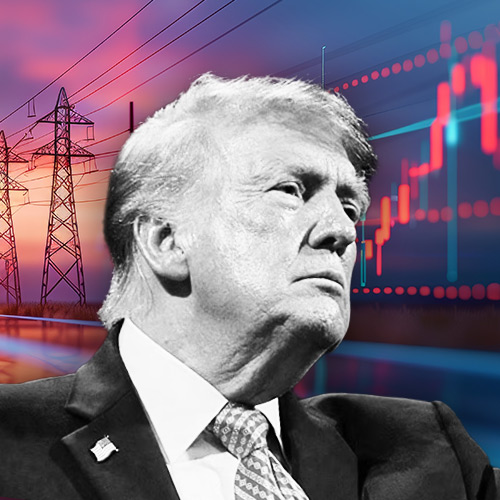
Jeff Brown is giving away the name and ticker of one stock – free. It’s a company behind a huge AI energy breakthrough… And it’s going public sometime this winter. President Trump is even expected to take a personal stake… You can claim a stake before it hits the open market. And Jeff Brown will give you the name of the stock, for free. Click here to get the free ticker symbol.
One thing I’ve learned from over four decades in the markets is that trades rarely play out exactly as you expect. Sometimes a position moves against you almost immediately. Other times, it jumps into profit before reversing sharply. And occasionally, the trade just sits there and does absolutely nothing.
Each situation requires careful management.
When a trade initially moves against you, the temptation can be to give it more room. You convince yourself that the market will come around to your way of thinking.
Giving a trade some breathing room is fine, of course. But holding on after your setup is no longer valid is not. That’s why it’s so important to know where you’re going to exit before you enter the trade.
Managing a winning trade can be just as difficult. You might be sitting on a healthy profit but start worrying about giving it back. So you close the position, only to watch the market continue moving strongly in your favor. Or you hold out for an even bigger gain, ignoring signs that momentum is fading. Before you know it, a big chunk of that profit has disappeared.
Then some trades go nowhere. That’s especially frustrating with options. Time decay eats away at their value, even if the stock barely moves.
Whatever the scenario, you need to recognize when the opportunity has changed. Don’t just sit there and hope.
The way I approach things is to have a clear plan before putting on any trade. I decide three things up front: how much I’ll risk, where I’ll take profits, and what would make me rethink the trade.
And a crucial part of that is knowing where to place my stop loss. A stop loss isn’t just there to help limit how much money you can lose. It also takes emotion out of trading. You know exactly where you’ll exit if the market turns.
A key part of that is giving the trade enough space without exposing yourself to unnecessary risk.
That said, not everything about managing a trade is set in stone. Markets are constantly changing. New information comes out, volatility picks up, and momentum can shift very quickly.
Sometimes it makes sense to take profits earlier than planned. Other times, I’ll close part of a position and let the remainder run – potentially adjusting my stop to protect some of those gains.
The key is understanding the difference between adapting to changing market conditions and reacting emotionally to every little price movement.
Once you’re in a trade, it’s easy to let emotions start influencing your decisions. You start focusing on how much money you’re making or losing rather than what the market is actually telling you.
That’s when mistakes can happen…
A good entry gives you an opportunity. How you manage the position, and where you get out, determines your result.
Regards,
Larry Benedict
Editor, Trading With Larry Benedict
Reading Trading With Larry Benedict will allow you to take a look into the mind of one of the market’s greatest traders. You’ll be able to recognize and take advantage of trends in the market in no time.